Augustus John
1878-1961
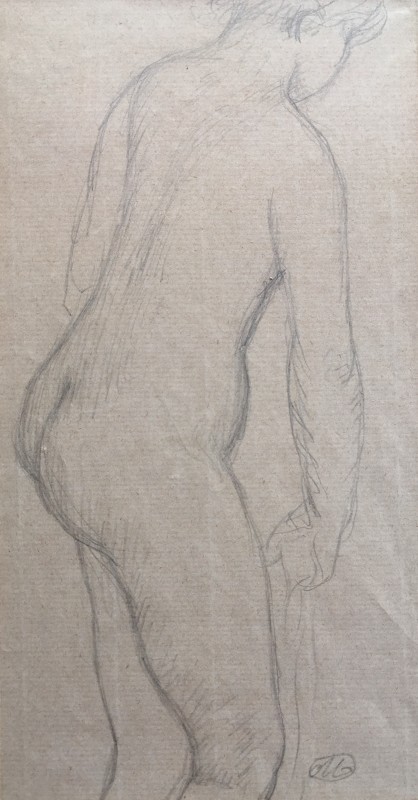
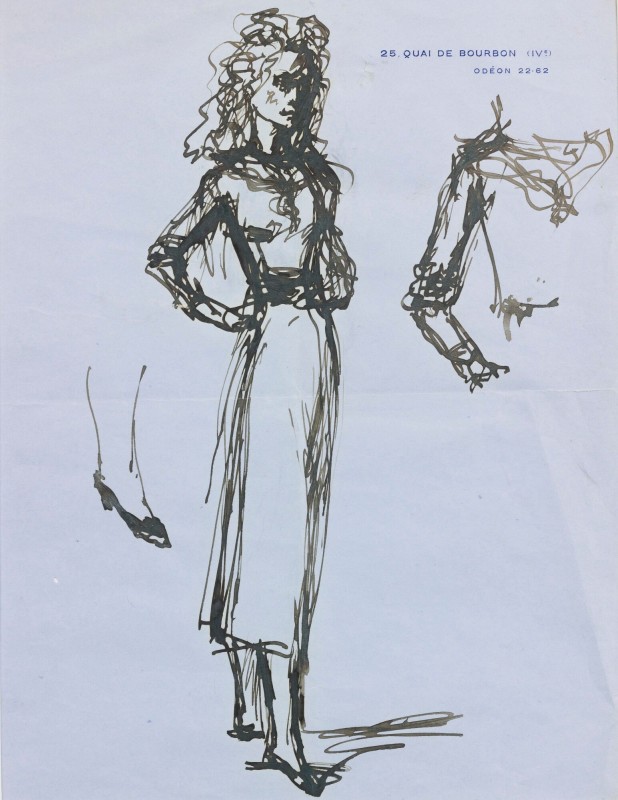
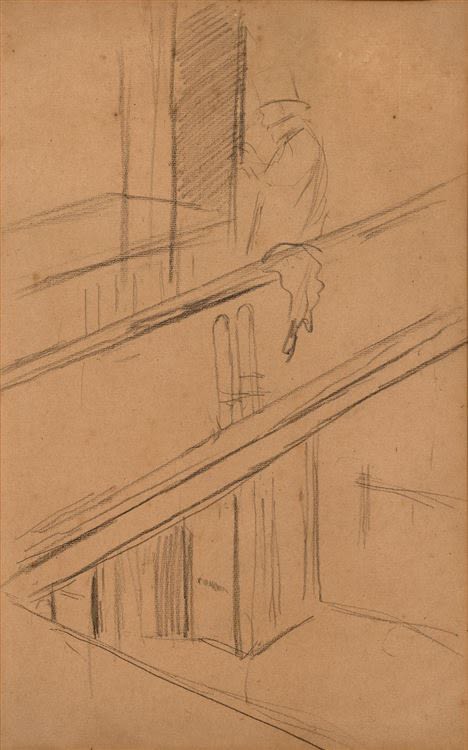
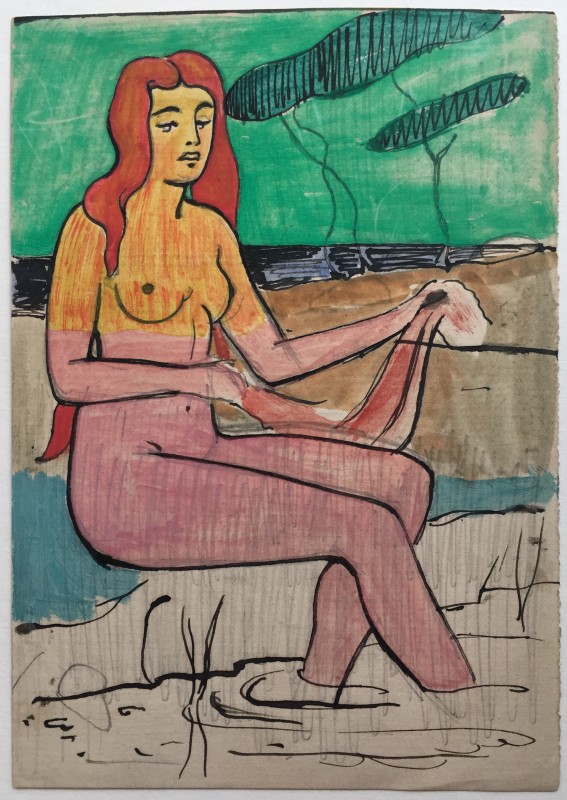
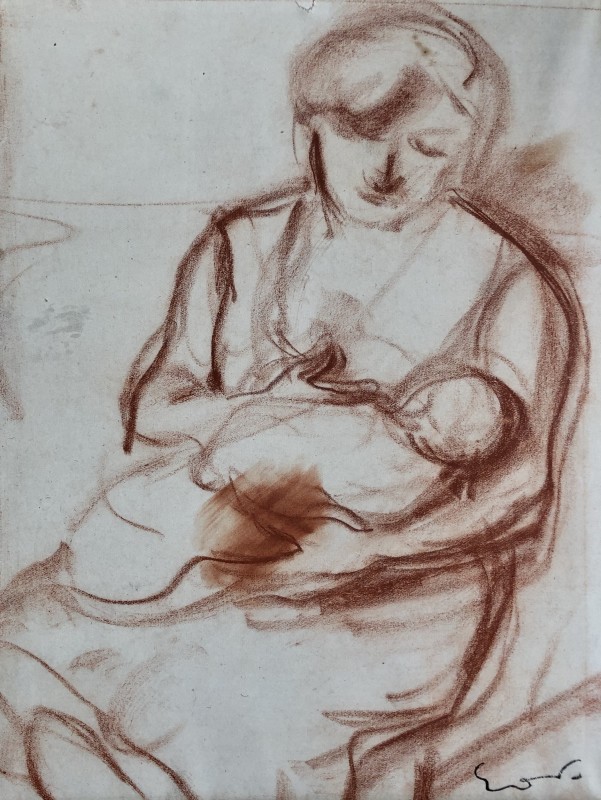
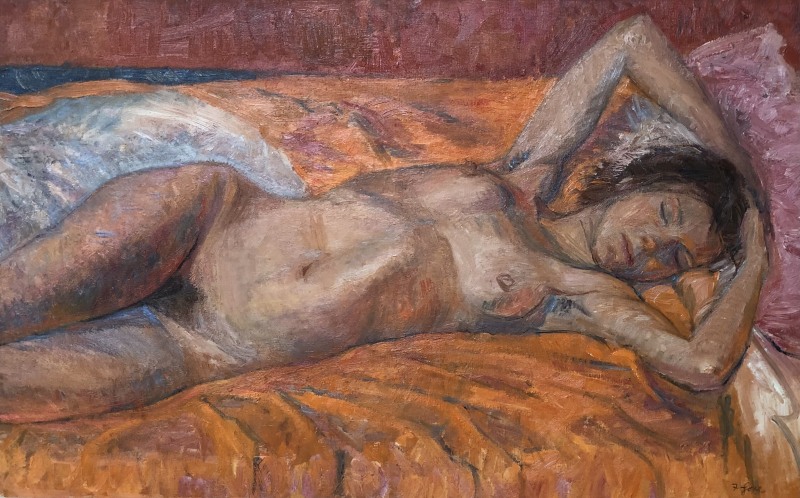
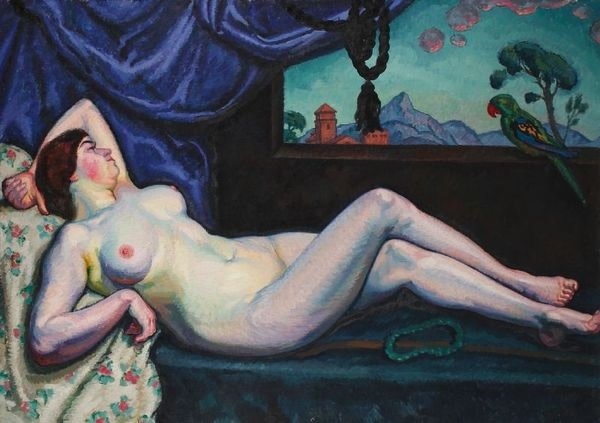
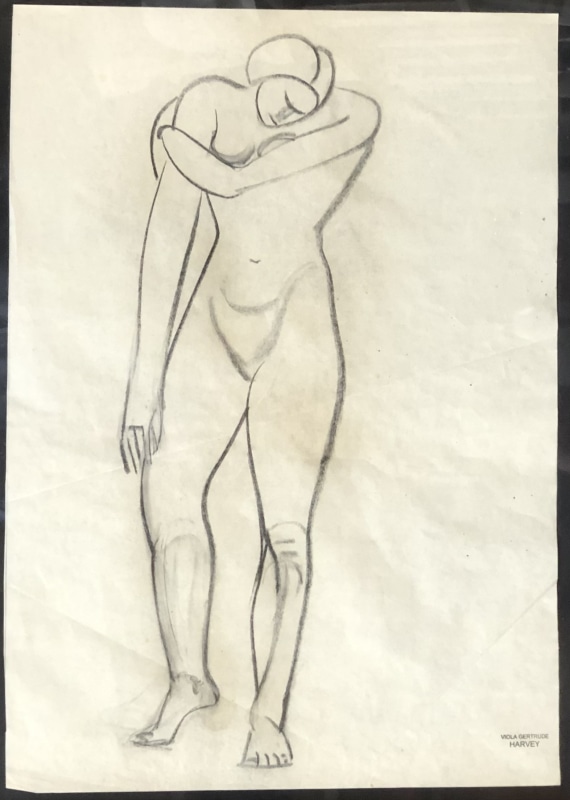
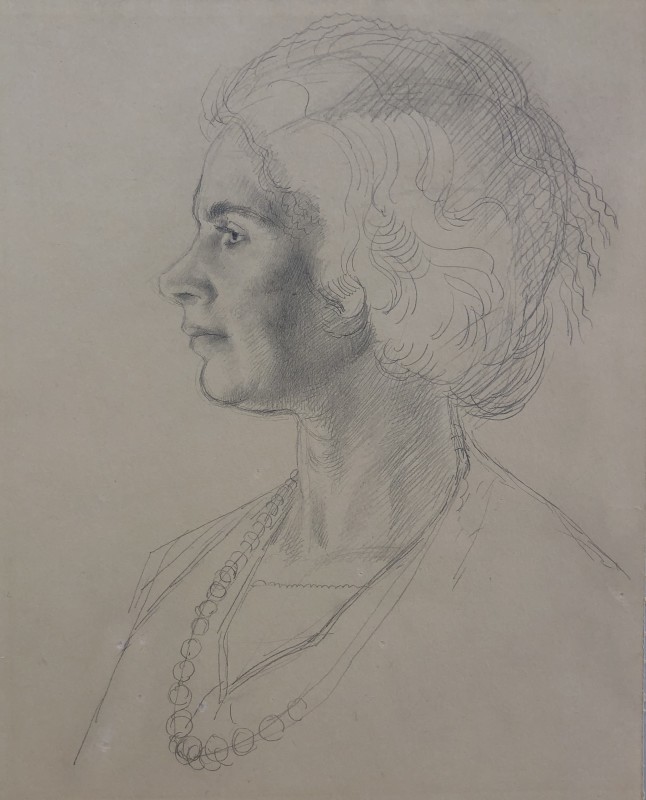
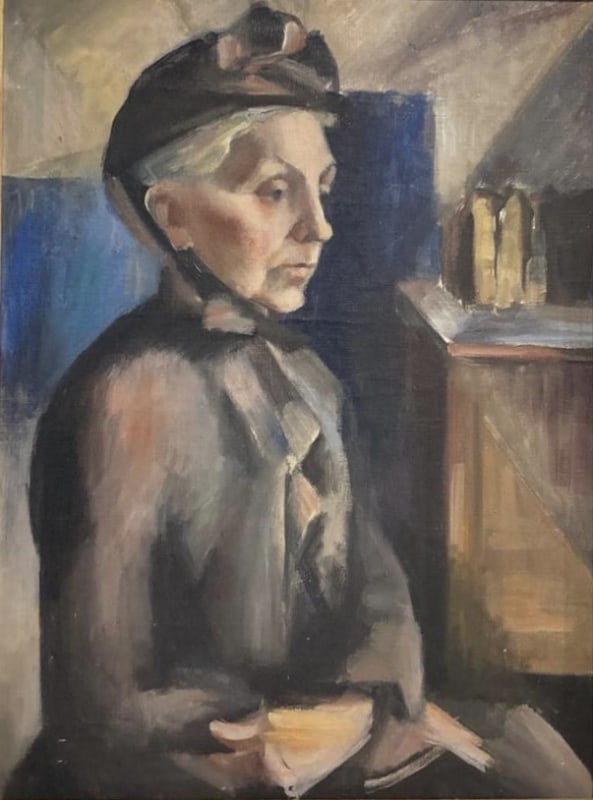
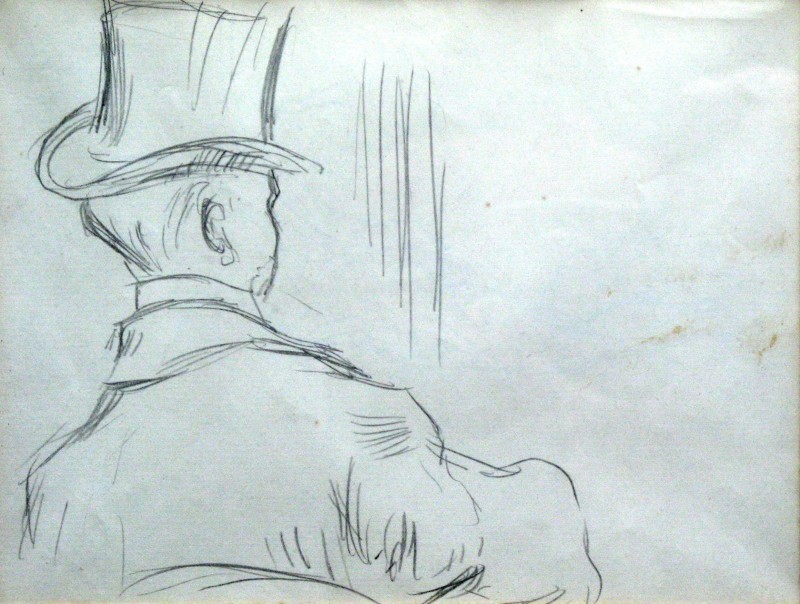
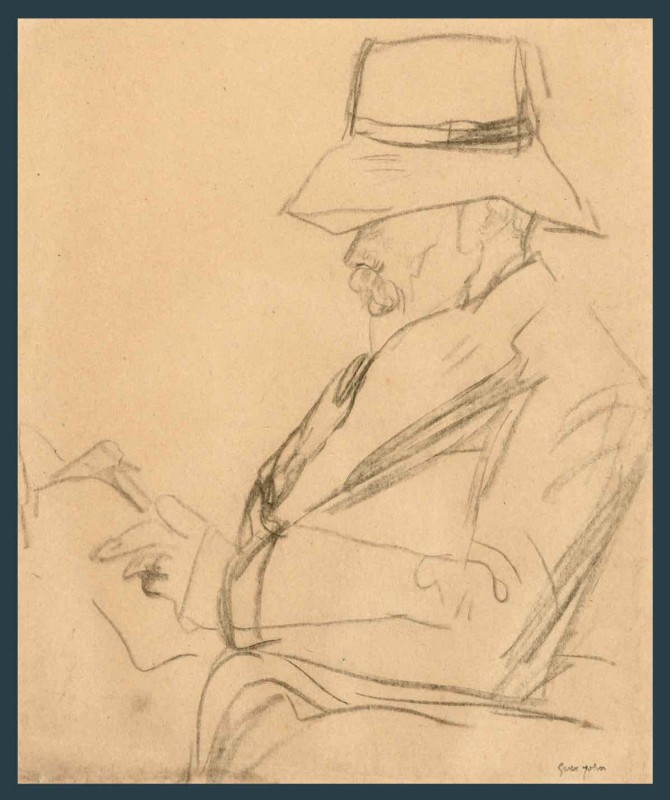
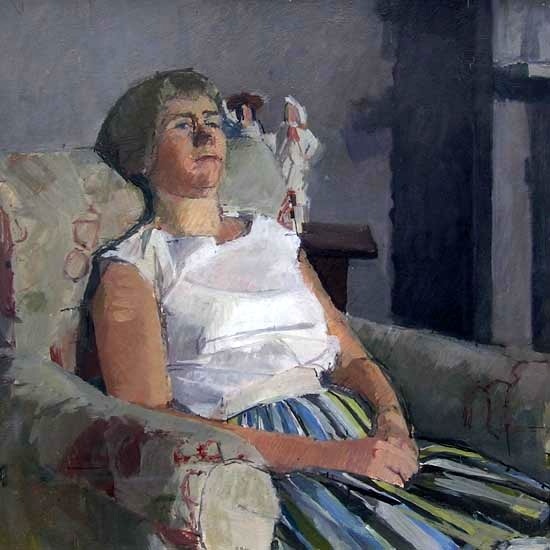
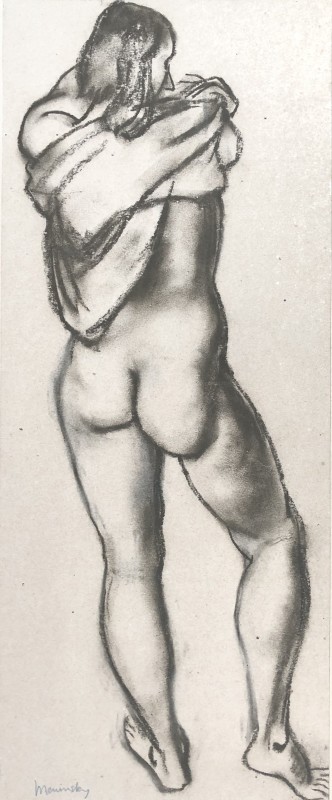
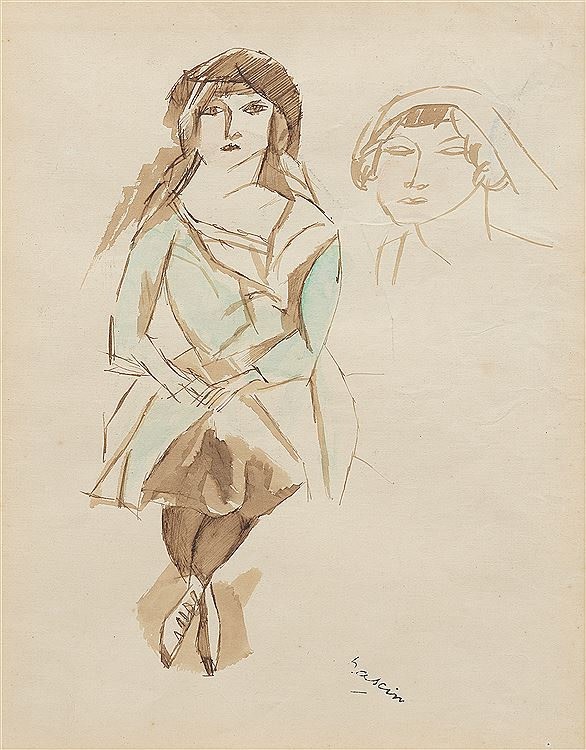
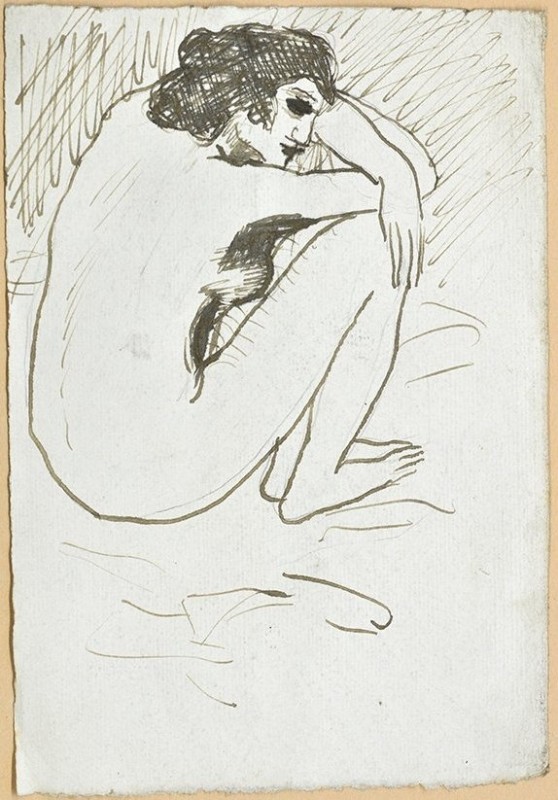
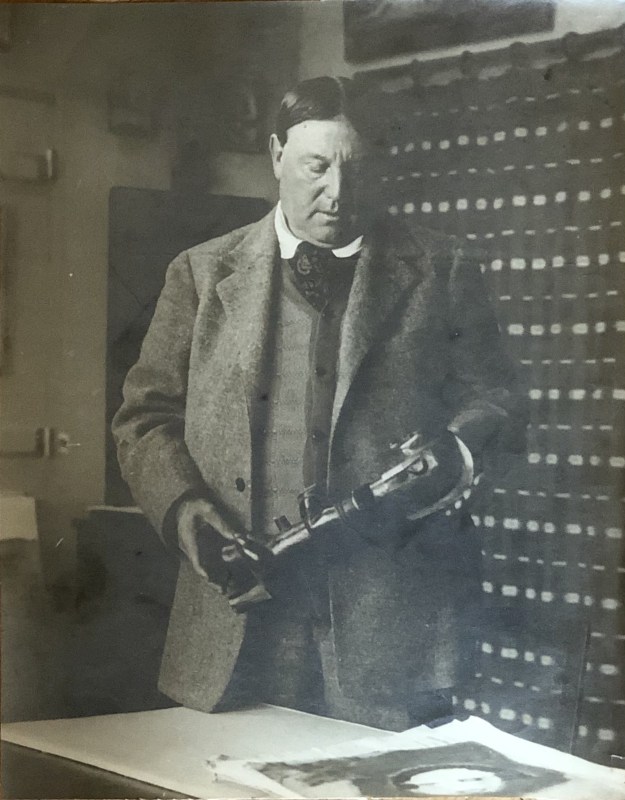
Born in Tenby, Pembrokeshire, he studied at the Slade School between 1894-8, where his natural gifts of draughtsmanship were recognized. By the age of 20 he had established himself as one of the leading draughtsmen in England and his drawing has been compared to that of Hogarth and Gainsborough. He won the first prize at the Slade Summer Composition competition in 1898 with a brilliant pastiche Moses and the Brazen Serpent (Slade School of Fine Art). The story is told that a diving accident at Tenby in 1897 resulting in a serious head injury changed both John's personality and the character of his work. Be that as it may, from having at first the reputation of a quiet and diligent student at the Slade, during the first quarter of the twentieth century his name became synonymous with all that was most independent and rebellious in English art and he became one of the most talked-of figures of his day, in life the typical buccaneering, swashbuckling Bohemian and in his art the revolutionary individualist. John had his first exhibition in 1899 and in the same year he began showing with the New English Art Club. In 1901 he married Ida Nettleship, whom he had known at the Slade. It was whilst teaching at University College, Liverpool, that the seeds were sown of the enthusiasm for the Romany gipsies which caused him to live a caravan life with his family for recurrent periods up to the First World War. In 1903 he met Dorothy McNeill ('Dorelia'), who became a permanent member of his household late in 1904 and was his lifelong companion and muse after the death of his wife in 1907. John became a member of the New English Art Club in 1903, ARA in 1921 and RA in 1928. He received the Order of Merit in 1942 and was a Trustee of the Tate Gallery 1933-40. An exhibition of his drawings was shown at the National Gallery in 1940. In 1954 a comprehensive retrospective exhibition at the Diploma Gallery of the Royal Academy revealed the distance that separated him from younger contemporaries. Reaction from the great reputation which he once enjoyed led to undeserved neglect. But a retrospective exhibition of his paintings and drawings followed by a complementary exhibition of the 'Life and Times' at the National Portrait Gallery, London, in 1975, did much to rectify his neglect.